Web browsers such as Google Chrome, Firefox, Safari and Edge, among others, play an essential role in enabling access to websites on the internet. Most browsers allow users to install extensions, also referred to as add-ons or plug-ins. These extensions are applications or small software modules that add functionality and other useful features to a browser.
By means of the extensions, users can carry out various tasks such as password management, cookie management, ad blocking, interface modification, productivity tracking, grammar and spell-checking, etc.
However, although the extensions offer different useful functionalities, cybercriminals have taken advantage of them, creating a security risk to users and their data.
The Need to Beware of Browser Extensions
Browsers enable websites to collect information such as viewing history, adding cookies, etc. Also, when installing the extensions, some require to be allowed various permissions, like the ability to read or change data. For instance, according to a recent study by Talon, a digital security company, most Chrome Web Store extensions (62.43 percent of extensions) require dangerous permissions, including permission to read or change user data and activity. This means that an extension can see the sites visited, keystrokes, login credentials and private data, such as payment card details.
Since this information is readily available on a user’s web browser, cybercriminals can use a malicious extension to collect the data for their gain. At the same time, the data collected is sold without user consent or knowledge and used by third-party data brokers to send users tailor-made ads.
Although not all browser extensions are a security risk, some might be built to impersonate legitimate extensions, especially those from third-party resources. In other cases, legitimate extensions have been compromised or bought by a developer who uses them for malicious purposes.
Some browser add-ons are built to download malware onto your device, redirect search traffic to malicious websites or download ad ware and Trojan horse viruses.
The extensions can automatically update without requiring any action from a user. This means that if a legitimate extension is compromised, it can be used to install malware without user knowledge. Even secure extensions are prone to attacks or can be compromised, enabling attackers to gain access to data stored by browsers.
Additionally, malicious extensions can be built to bypass fraud detection by official Web stores. For instance, in 2020, Google removed over 500 extensions from its web store that violated policies, with some already having infected users and stolen their data. This followed the discovery of some malicious extensions that users had already downloaded.
A recent report released by Kaspersky, a cybersecurity firm, shows just how dangerous malicious add-ons are. After the firm analyzed data from January 2020 to June 2022, it discovered that over this time frame, 4.3 million users were attacked by adware hiding in browser extensions. This put adware as the highest representative of browser extension risks, with malware coming second. The report also indicates that Kaspersky products prevented more than 6 million users from downloading adware, malware or riskware disguised as browser extensions.
Such figures from just one cybersecurity firm are worrying, considering the study focused only on users that use their security solutions. This creates a need for users to be more vigilant when using browser extensions.
How to Make Sure Browser Extensions Are Safe
There are various ways to help reduce the risks posed by browser extensions:
Ensure the extension is from an official web store. Since these extensions can also be compromised, it is best to find out more information about the developer.
Check reviews as they help to know what other users think of the extension and if there have been any complaints. However, users should be cautious of identical comments or too many 5-star reviews, as these could be fake.
Check whether the extension is updated regularly. An extension last updated many years ago might not be reliable.
Review extension permissions for each extension.
Check that you are not installing clones of the original extension. For instance, if you search for an extension, you can find other similar ones that look legit.
Uninstall browser extensions that you don’t recognize or those you no longer need.
Use browsers that have the features you want.
Install reliable antivirus software that will help spot malicious activities or applications.
Conclusion
Browser extensions play an important role in the user browsing experience. Although not all extensions are dangerous, users must conduct due diligence to ensure they install legitimate extensions.
Risk of Browser Extensions and How to Stay Safe
September 1, 2022 · Blog, News, What's New in Technology
⏱ 4 min read
Web browsers such as Google Chrome, Firefox, Safari and Edge, among others, play an essential role in enabling access to websites on the internet. Most browsers allow users to install extensions, also referred to as add-ons or plug-ins. These extensions are applications or small software modules that add functionality and other useful features to a browser.
By means of the extensions, users can carry out various tasks such as password management, cookie management, ad blocking, interface modification, productivity tracking, grammar and spell-checking, etc.
However, although the extensions offer different useful functionalities, cybercriminals have taken advantage of them, creating a security risk to users and their data.
The Need to Beware of Browser Extensions
Browsers enable websites to collect information such as viewing history, adding cookies, etc. Also, when installing the extensions, some require to be allowed various permissions, like the ability to read or change data. For instance, according to a recent study by Talon, a digital security company, most Chrome Web Store extensions (62.43 percent of extensions) require dangerous permissions, including permission to read or change user data and activity. This means that an extension can see the sites visited, keystrokes, login credentials and private data, such as payment card details.
Since this information is readily available on a user’s web browser, cybercriminals can use a malicious extension to collect the data for their gain. At the same time, the data collected is sold without user consent or knowledge and used by third-party data brokers to send users tailor-made ads.
Although not all browser extensions are a security risk, some might be built to impersonate legitimate extensions, especially those from third-party resources. In other cases, legitimate extensions have been compromised or bought by a developer who uses them for malicious purposes.
Some browser add-ons are built to download malware onto your device, redirect search traffic to malicious websites or download ad ware and Trojan horse viruses.
The extensions can automatically update without requiring any action from a user. This means that if a legitimate extension is compromised, it can be used to install malware without user knowledge. Even secure extensions are prone to attacks or can be compromised, enabling attackers to gain access to data stored by browsers.
Additionally, malicious extensions can be built to bypass fraud detection by official Web stores. For instance, in 2020, Google removed over 500 extensions from its web store that violated policies, with some already having infected users and stolen their data. This followed the discovery of some malicious extensions that users had already downloaded.
A recent report released by Kaspersky, a cybersecurity firm, shows just how dangerous malicious add-ons are. After the firm analyzed data from January 2020 to June 2022, it discovered that over this time frame, 4.3 million users were attacked by adware hiding in browser extensions. This put adware as the highest representative of browser extension risks, with malware coming second. The report also indicates that Kaspersky products prevented more than 6 million users from downloading adware, malware or riskware disguised as browser extensions.
Such figures from just one cybersecurity firm are worrying, considering the study focused only on users that use their security solutions. This creates a need for users to be more vigilant when using browser extensions.
How to Make Sure Browser Extensions Are Safe
There are various ways to help reduce the risks posed by browser extensions:
Ensure the extension is from an official web store. Since these extensions can also be compromised, it is best to find out more information about the developer.
Check reviews as they help to know what other users think of the extension and if there have been any complaints. However, users should be cautious of identical comments or too many 5-star reviews, as these could be fake.
Check whether the extension is updated regularly. An extension last updated many years ago might not be reliable.
Review extension permissions for each extension.
Check that you are not installing clones of the original extension. For instance, if you search for an extension, you can find other similar ones that look legit.
Uninstall browser extensions that you don’t recognize or those you no longer need.
Use browsers that have the features you want.
Install reliable antivirus software that will help spot malicious activities or applications.
Conclusion
Browser extensions play an important role in the user browsing experience. Although not all extensions are dangerous, users must conduct due diligence to ensure they install legitimate extensions.
Disclaimer
These articles provide general information on tax, accounting, and financial topics for small businesses and individuals. They are educational in nature and are not specific legal, accounting, financial, tax, or other professional advice, and should not be relied upon as such. This content was prepared by Service2Client and may have been reviewed or edited by the website owner for accuracy and compliance. Look for a trust mark below for verification details. No representation is made that any approach described will achieve a particular result, and no regulatory or professional body has reviewed or endorsed this content. Because each situation is different, readers should consult a qualified professional about their specific circumstances before acting. Images accompanying these articles are protected by copyright and may not be copied or reused.
Non-fungible tokens (NFTs) are rising in demand, and some brands are already generating great results in their campaigns and providing a unique experience to customers. As the hype around NFTs continues, businesses need to understand how they can benefit.
What is an NFT?
An NFT is a valuable digital asset created using blockchain. Unlike cryptocurrencies, NFTs are not mutually interchangeable as each NFT represents a different asset with a different value. Hence, an NFT verifies the authenticity of a non-fungible asset. This means that the purchaser of the asset/product can only use a product. Unlike other digital products, an NFT can’t be duplicated and sold. This is because the non-fungible asset is made into a token with a digital certificate of ownership, creating authenticity and credibility. NFTs could include videos, music, physical products, services, documents, artwork, and even memes.
A non-fungible asset’s value depends on various factors, such as underlying value, ownership history, perception of the buyer, future value, etc.
How NFTs Have Been Used
So far, some industries are already reaping benefits from NFTs. Various cases of NFTs can be found in gaming, music, fashion, sports, and virtual real estate.
The growth of NFTs has been attributed to the fact that humans like to collect things, and since NFTs are designed to be scarce digital assets, this contributes to the high prices. According to research conducted in March 2021 by Morning Consult, a global decision intelligence company, about half of the people who identified themselves as avid physical collectors were interested in NFTs. In addition, users have more control over the asset bought because it cannot be used in any other way or duplicated, making it more valuable.
With such news making the headlines, businesses may wonder how they can benefit from NFTs.
How Can a Business Benefit from NFTs?
Businesses still hesitant about adopting new technologies should start considering creating NFTs that align with their brand image. Below are some ways in which a business can benefit:
1. Brand Visibility
Aside from digital marketing, NFTs provide another way businesses and corporations can drive attention to their brand. For instance, by creating a digital version of your products, you expose it to NFT enthusiasts, some of who might not be aware of your products. NFTs also can be incorporated as part of your brand storytelling, creating unique experiences for your customers, consequently increasing consumer engagements.
2. Authenticity
Many businesses undergo massive losses of revenue due to counterfeit products. With NFTs, businesses can ascertain the authenticity of their products and services. A digital certificate is issued with every transaction and a record is kept on the blockchain. A customer can check the authenticity since the blockchain can be traced to the original seller.
3. Additional Revenue Stream
Businesses can use NFTs as an additional source of income by selling digital forms of their products or services. One way to do this is by creating an early access opportunity before the official product launches, creating a buzz and ensuring the NFT value will rise.
4. Customer Loyalty Program
The versatile nature of NFTs makes them ideal for use in loyalty programs. The tokens can be used as medals for loyal clients or as membership tokens.
5. Prevent Ticket Scams
Many people fall victim to online ticket scams where they buy fake discounted tickets or duplicate tickets of an original event ticket. The money collected doesn’t go to the business, which also affects the event organizers. Customers also risk their credit card information being stolen by scammers. However, turning a ticket into an NFT makes it easy to verify its authenticity and even prevent ticket black markets.
6. Managing Supply Chain
NFTs are positively disrupting the supply chain. By the use of blockchain technology, it’s now easy to trace the entire process of a product lifecycle, from raw material, transportation, manufacturing, and distribution up to the end consumer. Hence, businesses interested in improving transparency and accountability can embrace NFTs to automate their supply chain.
Conclusion
NFT technology is relatively new, and its practical use is still limited. However, the fact that people are willing to spend on them is reason enough why any business should consider leveraging NFTs in its marketing strategies to help boost brand engagement and drive sales.
What Are NFTs and How Can Businesses Benefit?
August 1, 2022 · Blog, News, What's New in Technology
⏱ 4 min read
Non-fungible tokens (NFTs) are rising in demand, and some brands are already generating great results in their campaigns and providing a unique experience to customers. As the hype around NFTs continues, businesses need to understand how they can benefit.
What is an NFT?
An NFT is a valuable digital asset created using blockchain. Unlike cryptocurrencies, NFTs are not mutually interchangeable as each NFT represents a different asset with a different value. Hence, an NFT verifies the authenticity of a non-fungible asset. This means that the purchaser of the asset/product can only use a product. Unlike other digital products, an NFT can’t be duplicated and sold. This is because the non-fungible asset is made into a token with a digital certificate of ownership, creating authenticity and credibility. NFTs could include videos, music, physical products, services, documents, artwork, and even memes.
A non-fungible asset’s value depends on various factors, such as underlying value, ownership history, perception of the buyer, future value, etc.
How NFTs Have Been Used
So far, some industries are already reaping benefits from NFTs. Various cases of NFTs can be found in gaming, music, fashion, sports, and virtual real estate.
The growth of NFTs has been attributed to the fact that humans like to collect things, and since NFTs are designed to be scarce digital assets, this contributes to the high prices. According to research conducted in March 2021 by Morning Consult, a global decision intelligence company, about half of the people who identified themselves as avid physical collectors were interested in NFTs. In addition, users have more control over the asset bought because it cannot be used in any other way or duplicated, making it more valuable.
With such news making the headlines, businesses may wonder how they can benefit from NFTs.
How Can a Business Benefit from NFTs?
Businesses still hesitant about adopting new technologies should start considering creating NFTs that align with their brand image. Below are some ways in which a business can benefit:
1. Brand Visibility
Aside from digital marketing, NFTs provide another way businesses and corporations can drive attention to their brand. For instance, by creating a digital version of your products, you expose it to NFT enthusiasts, some of who might not be aware of your products. NFTs also can be incorporated as part of your brand storytelling, creating unique experiences for your customers, consequently increasing consumer engagements.
2. Authenticity
Many businesses undergo massive losses of revenue due to counterfeit products. With NFTs, businesses can ascertain the authenticity of their products and services. A digital certificate is issued with every transaction and a record is kept on the blockchain. A customer can check the authenticity since the blockchain can be traced to the original seller.
3. Additional Revenue Stream
Businesses can use NFTs as an additional source of income by selling digital forms of their products or services. One way to do this is by creating an early access opportunity before the official product launches, creating a buzz and ensuring the NFT value will rise.
4. Customer Loyalty Program
The versatile nature of NFTs makes them ideal for use in loyalty programs. The tokens can be used as medals for loyal clients or as membership tokens.
5. Prevent Ticket Scams
Many people fall victim to online ticket scams where they buy fake discounted tickets or duplicate tickets of an original event ticket. The money collected doesn’t go to the business, which also affects the event organizers. Customers also risk their credit card information being stolen by scammers. However, turning a ticket into an NFT makes it easy to verify its authenticity and even prevent ticket black markets.
6. Managing Supply Chain
NFTs are positively disrupting the supply chain. By the use of blockchain technology, it’s now easy to trace the entire process of a product lifecycle, from raw material, transportation, manufacturing, and distribution up to the end consumer. Hence, businesses interested in improving transparency and accountability can embrace NFTs to automate their supply chain.
Conclusion
NFT technology is relatively new, and its practical use is still limited. However, the fact that people are willing to spend on them is reason enough why any business should consider leveraging NFTs in its marketing strategies to help boost brand engagement and drive sales.
Disclaimer
These articles provide general information on tax, accounting, and financial topics for small businesses and individuals. They are educational in nature and are not specific legal, accounting, financial, tax, or other professional advice, and should not be relied upon as such. This content was prepared by Service2Client and may have been reviewed or edited by the website owner for accuracy and compliance. Look for a trust mark below for verification details. No representation is made that any approach described will achieve a particular result, and no regulatory or professional body has reviewed or endorsed this content. Because each situation is different, readers should consult a qualified professional about their specific circumstances before acting. Images accompanying these articles are protected by copyright and may not be copied or reused.
Manage Consent
To provide the best experiences, we use technologies like cookies to store and/or access device information. Consenting to these technologies will allow us to process data such as browsing behavior or unique IDs on this site. Not consenting or withdrawing consent, may adversely affect certain features and functions.
Functional
Always active
The technical storage or access is strictly necessary for the legitimate purpose of enabling the use of a specific service explicitly requested by the subscriber or user, or for the sole purpose of carrying out the transmission of a communication over an electronic communications network.
Preferences
The technical storage or access is necessary for the legitimate purpose of storing preferences that are not requested by the subscriber or user.
Statistics
The technical storage or access that is used exclusively for statistical purposes.The technical storage or access that is used exclusively for anonymous statistical purposes. Without a subpoena, voluntary compliance on the part of your Internet Service Provider, or additional records from a third party, information stored or retrieved for this purpose alone cannot usually be used to identify you.
Marketing
The technical storage or access is required to create user profiles to send advertising, or to track the user on a website or across several websites for similar marketing purposes.

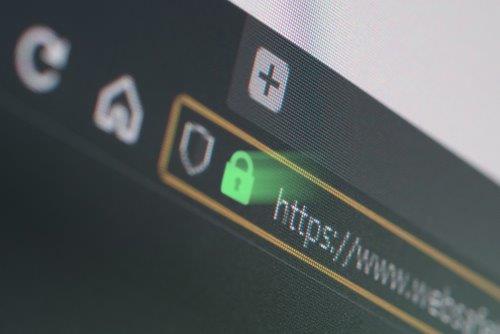 Web browsers such as Google Chrome, Firefox, Safari and Edge, among others, play an essential role in enabling access to websites on the internet. Most browsers allow users to install extensions, also referred to as add-ons or plug-ins. These extensions are applications or small software modules that add functionality and other useful features to a browser.



 Non-fungible tokens (NFTs) are rising in demand, and some brands are already generating great results in their campaigns and providing a unique experience to customers. As the hype around NFTs continues, businesses need to understand how they can benefit.